- Home
- Press center
- News
Uzbekistan and the United States Exchange Documents

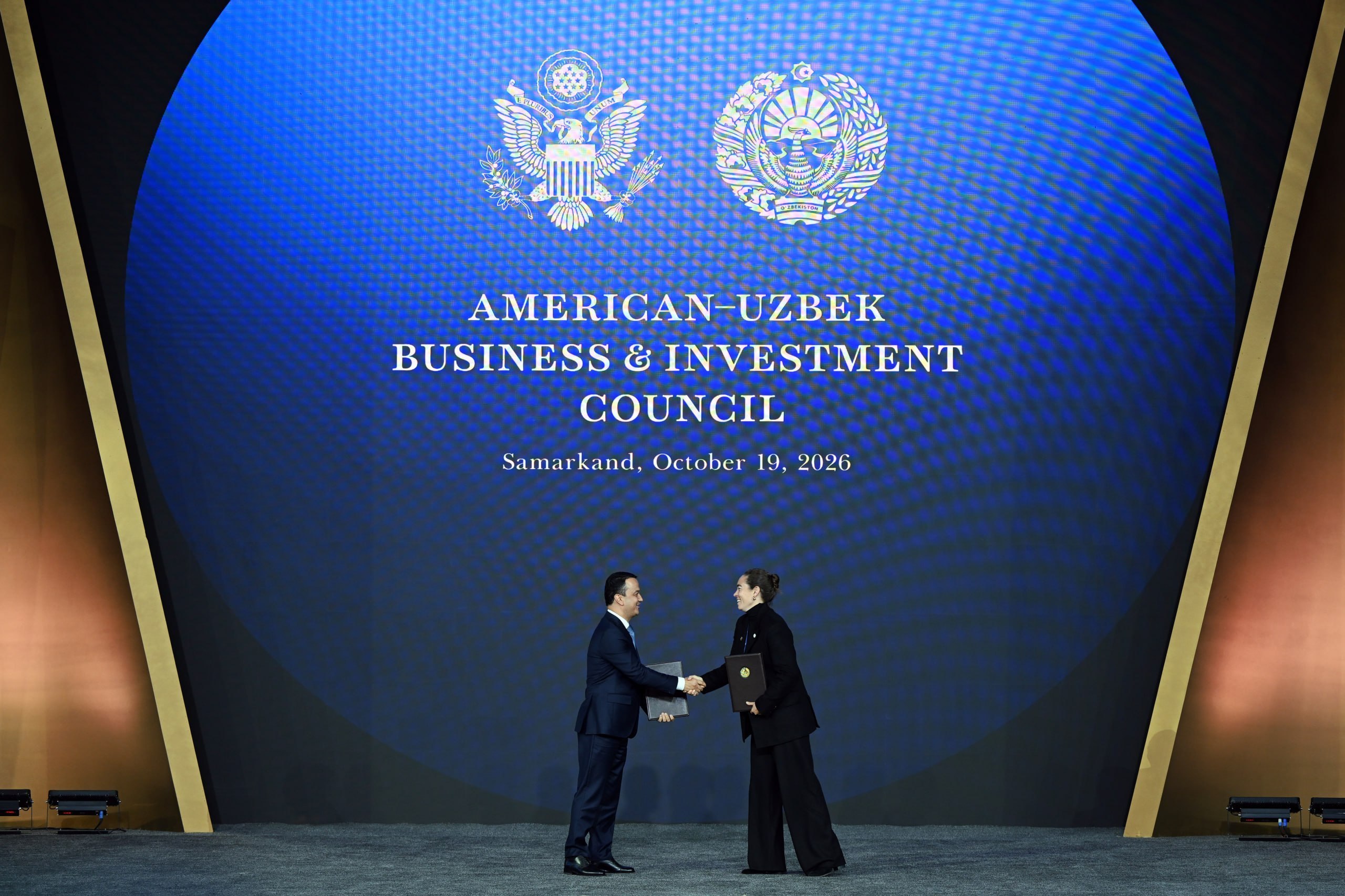
Second Meeting of the U.S.–Uzbekistan Business and Investment Council Held in Samarkand
On October 19, President of the Republic of Uzbekistan Shavkat Mirziyoyev took part in the opening of the second meeting of the U.S.–Uzbekistan Business and Investment Council.
The event was also attended by U.S. Secretary of State Marco Rubio, U.S. Presidential Special Envoy Sergio Gor, and representatives of leading American companies and banks.
In his remarks, the President emphasized the symbolic significance of discussing new opportunities for cooperation between Uzbekistan and the United States in Samarkand, a city that has connected peoples, cultures, and trade routes for centuries.
It was noted that relations between Uzbekistan and the United States have reached a qualitatively new stage, primarily thanks to the personal attention and support of U.S. President Donald Trump.
The importance of further expanding economic ties on the basis of a strong political partnership was emphasized.
The U.S.–Uzbekistan Business and Investment Council plays a particularly important role in this process, making a significant contribution to advancing joint projects and initiatives.
The President highlighted the large-scale reforms underway in Uzbekistan. The economy is growing, new enterprises are being launched, jobs are being created, and educational opportunities for young people are expanding.
At the same time, it was emphasized that attracting investment to further develop industry and build modern infrastructure must go hand in hand with the introduction of advanced technologies and the exchange of knowledge and expertise.
Uzbekistan’s substantial experience in cooperation with American businesses was noted. Hundreds of companies with American capital are currently operating in Uzbekistan. Cooperation has been established in industry, energy, transport, agriculture, education, and new technologies. Uzbek companies are also beginning to invest in the U.S. economy.
Promising areas for expanding cooperation include producing high-tech goods through the development and advanced processing of critical minerals; developing a modern and sustainable energy system; establishing data processing centers; introducing artificial intelligence and digital solutions in industry, agriculture, education, and public administration; and strengthening cooperation in education and workforce training.
The extensive preparations for the current meeting of the Business and Investment Council were highlighted. As a result, a package of 54 agreements and promising initiatives with a total value of approximately $12 billion was assembled. A comprehensive action plan will be developed to implement them.
To further improve the Council’s activities, the importance of focusing efforts and resources on three priority objectives was emphasized.
First, it is essential to create clear and predictable conditions for American businesses. Investors arriving in Uzbekistan should be able to launch their businesses quickly without spending time on administrative procedures.
In this regard, a new approach to working with investors based on the “Plug and Play” principle is being introduced. Investors will be offered ready-to-implement projects with land allocation, infrastructure, permits, and documentation arrangements already addressed.
Uzbek entrepreneurs will also be able to participate as partners and assume part of the investment risks. The newly established Direct Investment Fund will also participate in such projects.
The next priority is the joint development of new economic sectors and major hubs that will accelerate industrial and technological growth.
It was emphasized that the Council should become a strategic mechanism for long-term economic partnership between the two countries. In this regard, a trade, investment, and technological cooperation program through 2035 was proposed.
The Council should also serve as an important platform for dialogue, developing new initiatives, removing systemic barriers, and advancing major joint projects.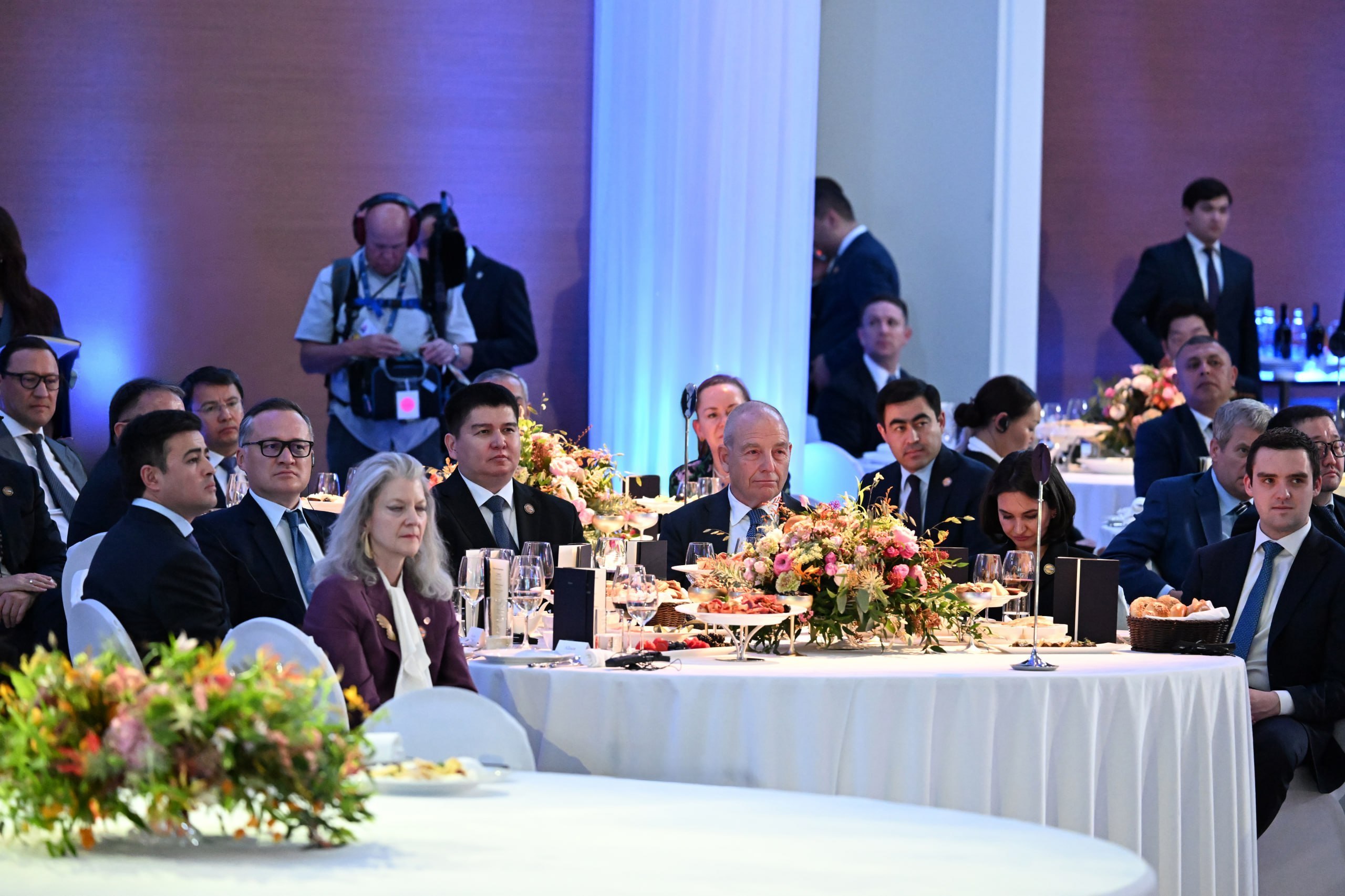
.jpg)
.jpg)